Source Food Grade Tween 40 Emulsifier for Food, Cosmetics, and Pharmaceuticals
Compare 30 listings for food grade tween 40 emulsifier from verified Chinese manufacturers. Buyers can evaluate specifications like HLB values, packaging options, and MOQs to find suitable suppliers for food additives and cosmetic applications; compare the available evidence and request quotations based on your requirements.
Key considerations
Products List




Comprehensive Sourcing Guide
Food Grade Tween 40 Emulsifier Sourcing Guide
Sourcing food grade Tween 40 emulsifier requires a disciplined approach to verifying product identity, purity, and supply chain reliability. Buyers must navigate a market where listings often overlap with related polysorbates, necessitating strict attention to specific grade designations and physical properties. This guide provides evidence-based procurement strategies to ensure that the purchased material meets stringent food safety and functional requirements.
The following sections detail the critical verification steps, from technical specification alignment to commercial term negotiation. By focusing on observable listing signals and mandatory compliance documentation, procurement teams can mitigate the risk of receiving substandard or mislabeled materials. This structured approach ensures that every purchase decision is grounded in verifiable data rather than marketing claims.
Product Scope and Observed Listing Signals
Market listings for Tween 40 frequently display a wide range of physical descriptions, including light yellow to orange viscous liquids or transparent to yellow liquids. Buyers should observe that the product form is consistently identified as a liquid, which aligns with the standard characteristics of polysorbate emulsifiers. The presence of keywords such as "Tween 65" or generic "Tween" references in some listings indicates a need for careful filtering to isolate the specific Tween 40 variant required for food applications.
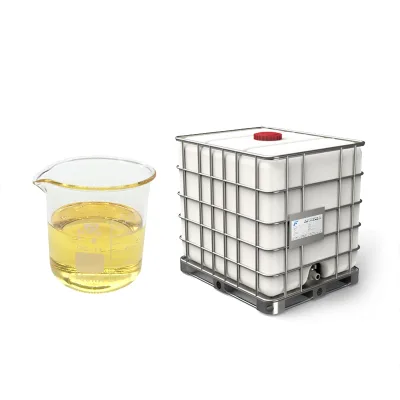
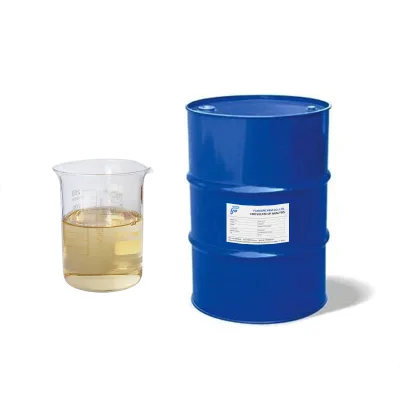
Packaging observations reveal a diversity of container types, ranging from 1kg bottles to 25kg drums and 200kg plastic drums or buckets. This variability suggests that suppliers offer flexible packaging options to accommodate different order volumes, with MOQs observed between 1kg and 2000kg. Procurement teams must verify that the packaging material is suitable for food-grade storage, typically plastic, and ensure that the drum specifications match the logistical requirements of the receiving facility.
Technical Specifications to Verify
Technical verification must begin with confirming the HLB value, which for Tween 40 typically ranges between 10.5 and 16.7, indicating its suitability as a non-ionic emulsifier. Buyers should also check for the INS code 433, which is the specific identifier for Tween 40 in food additive regulations, distinguishing it from other polysorbates like 432 or 434. The purity level is often cited as 99%, a critical parameter for ensuring consistent performance in food formulations without unwanted impurities.
The boiling point is noted to be greater than 100°C, a physical property that influences processing conditions and storage stability. Additionally, the product is described as having a normal storage method, requiring dry and cool conditions to maintain its viscous liquid state over a shelf life exceeding 12 months. Verifying these specific technical attributes ensures that the emulsifier will perform as expected in emulsification processes and remain stable throughout its intended use period.
Compliance and Safety Documentation
Compliance verification is paramount when sourcing food grade materials, requiring documentation that confirms the product meets food grade standards rather than industrial or feed grade specifications. Buyers must request certificates of analysis that explicitly state the food grade status, ensuring the material is safe for human consumption. The presence of multiple INS codes in some listings highlights the importance of confirming the exact additive identity to avoid regulatory non-compliance in the final food product.
Safety data sheets and material safety information should be reviewed to understand handling requirements, even though the product is generally considered safe for food use. Buyers should verify that the supplier provides clear information on the resource origin, whether natural or chemosynthetic, as this can impact sustainability claims and specific regulatory approvals in different markets. Ensuring that all documentation aligns with local food safety regulations is essential for maintaining product integrity and legal compliance.
Cost Drivers and Commercial Terms
Cost structures for Tween 40 are influenced by packaging size, purity levels, and order volume, with observed price ranges reflecting these variables. Buyers should note that MOQs can be as low as 1kg for sample orders or small batches, scaling up to 500kg or more for bulk industrial purchases. Understanding these commercial terms helps in negotiating favorable pricing and ensuring that the supplier can meet the required delivery schedules, which are often cited as around 5 days for standard orders.
The availability of customized packaging and tailored package requests on demand adds flexibility but may impact the final unit cost. Procurement teams should evaluate the total cost of ownership, including shipping and handling, rather than focusing solely on the unit price. Clear communication regarding payment terms and lead times is essential to avoid disruptions in supply, especially when dealing with international suppliers where logistics can introduce additional complexities and costs.
Supplier Qualification and Quality Control
Supplier qualification requires a thorough review of their manufacturing capabilities and quality control processes, particularly for food-grade emulsifiers. Buyers should verify that the supplier has a robust system for maintaining product consistency, ensuring that each batch meets the specified purity and physical property standards. The observation of various packing methods, such as IBCs and drums, indicates that suppliers have diverse logistical capabilities, but buyers must ensure that these methods do not compromise product integrity during transit.
Quality control checks should include verification of the product model, such as "MudyBio-Tween Polysorbate" or specific chemical identifiers like "jm 9005-71-4," to confirm the exact chemical composition. Buyers should also assess the supplier's ability to provide consistent supply, given the observed lead times and MOQ variations. Establishing a clear quality agreement that defines acceptable tolerances for appearance, viscosity, and purity is crucial for maintaining long-term supplier relationships and product quality.
Long-Term Procurement Checks
Long-term procurement success depends on regular audits of supplier performance and product consistency over time. Buyers should implement a schedule for periodic re-verification of technical specifications, ensuring that the HLB value, purity, and physical appearance remain within the agreed-upon ranges. Monitoring shelf life and storage conditions is also critical, as the product's stability can be affected by improper handling or storage environments, potentially leading to degradation or contamination.
Continuous engagement with the supplier to discuss any changes in production processes or regulatory requirements is essential for maintaining compliance. Buyers should also stay informed about market trends and alternative sourcing options to mitigate supply chain risks. By maintaining a proactive approach to supplier management and quality assurance, procurement teams can ensure a reliable supply of high-quality food grade Tween 40 emulsifier for their manufacturing needs.
FAQs
What is food grade tween 40 emulsifier used for?
Food grade tween 40 emulsifier is used as a food additive to stabilize oil-in-water blends in products like baked goods, beverages, dairy items, and confectionery. It is a non-ionic polysorbate, with ins code 435 commonly referenced in this family, and it helps mix ingredients that would otherwise separate during processing or storage.
What appearance and form should food grade tween 40 emulsifier have?
Buyers can expect a liquid form ranging in appearance from light yellow to orange viscous liquid, sometimes described as transparent to yellow liquid. The product is produced by chemosynthesis, and any batch that differs noticeably in color, viscosity, or clarity from the agreed specification should be checked against the purchase contract before acceptance.
What packaging options are available for tween emulsifiers?
Common packaging includes plastic drums at 25kg per drum, 200kg drums, plastic buckets, 1kg bottles, and IBC containers for bulk shipments. Some sellers also offer 1kg bags or tailored packaging on request. Confirm the packing format you need before ordering, since MOQ and pricing often depend on the selected package size.
What is the minimum order quantity for food grade tween 40 emulsifier?
Minimum order quantities vary by seller, with listed values ranging from 1kg samples up to 25kg per drum and bulk orders of 500kg or more. If you are testing a recipe, a 1kg bottle can be a practical starting point, while production purchases typically align with drum quantities such as 25kg or 200kg.
Which HLB value does tween 40 fall within and why does it matter?
Tween products in this family show HLB values between 10.5 and 16.7, which indicates water-soluble, oil-in-water emulsifying behavior. The HLB value helps buyers match the emulsifier to their formulation, so confirm the specific HLB figure for the grade you purchase, as different polysorbate types within the tween series perform differently.
How should tween 40 emulsifier be stored and what is its shelf life?
Store the emulsifier in a dry and cool place under normal storage conditions, and expect a shelf life greater than 12 months when handled properly. Keep drums sealed to avoid contamination and moisture pickup, and rotate stock so older inventory is used first. Verify the exact expiry date printed on the drum or bottle at receipt.
Can food grade tween 40 emulsifier be customized for my application?
Customization is available from listed sellers, covering options like packaging format, grade, and specification adjustments for food or cosmetic applications. Provide your required specification, target packing size, and application details when requesting a quote so the manufacturer can confirm feasibility, lead time, and any minimum order changes before you commit to a purchase.
How fast can food grade tween 40 emulsifier orders ship?
Some listed products show shipment within 5 days after order confirmation, though actual dispatch time depends on order size, packaging choice, and the seller's stock position. Ask the supplier to confirm the lead time for your specific quantity and destination, and factor in additional transit time when planning production schedules.